

 }})
You are using an out of date browser. It may not display this or other websites correctly.
You should upgrade or use an alternative browser.
You should upgrade or use an alternative browser.
The 2026 Free Agency Thread
- Thread starter RedWolf
- Start date
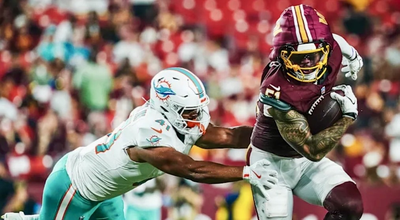

About a month ago speculation was that Paul would get around 7 million per for 2 to 3 years.
I guess they were pretty far off on that one.
I guess they were pretty far off on that one.


RexTomb
The 1st Round Pick

But we’re saving lots of cap room. I think AP must have a hunch that some of these cash strapped teams are going to need to part ways with some pretty good talent. And when they do:So many one year deals…



So many one year deals…
But a whole lot more multi-year deals than in the past.

- Joined
- Jul 24, 2009
- Messages
- 2,806
- Reaction score
- 4,306
- Points
- 318
- Alma Mater

Yes. But that doesn’t make this many one year deals in year 3 of the regime a good thing, either. But, to your point, it is a positive step towards the right direction. Let’s hope it continuesBut a whole lot more multi-year deals than in the past.
Yes. But that doesn’t make this many one year deals in year 3 of the regime a good thing, either. But, to your point, it is a positive step towards the right direction. Let’s hope it continues
I also look at the 1 year deals and nobody jumps off the page at me that I wish they had signed a longer term either, outside of maybe Chris Paul
- Joined
- Jul 24, 2009
- Messages
- 2,806
- Reaction score
- 4,306
- Points
- 318
- Alma Mater
Doesn’t that say more about the quality of players we are still attracting, which is a symptom of the root cause?I also look at the 1 year deals and nobody jumps off the page at me that I wish they had signed a longer term either, outside of maybe Chris Paul
Again, I want to be clear - I think this offseason has been a major step in the right direction.
But we’re still a way off from where we need to be.
Doesn’t that say more about the quality of players we are still attracting, which is a symptom of the root cause?
Again, I want to be clear - I think this offseason has been a major step in the right direction.
But we’re still a way off from where we need to be.
You're not wrong, and i don't intend to re-open that scab regarding players who chose to sign elsewhere.
Those were extended deals that didnt' come to fruition, so I think there is something to your point, but equally i'm glad we're not signing lesser talent at positions that we'll be married to later.

Skinfanjon
The UDFA
Surely we have something up our sleeves besides Shrodinger’s Aiyuk with that much cap space. Right? Would be great if Jennings turns into a guy who doesn’t sign until after the draft.

Higskin
The UDFA
An interesting trend those 1 year deals...
 www.pff.com
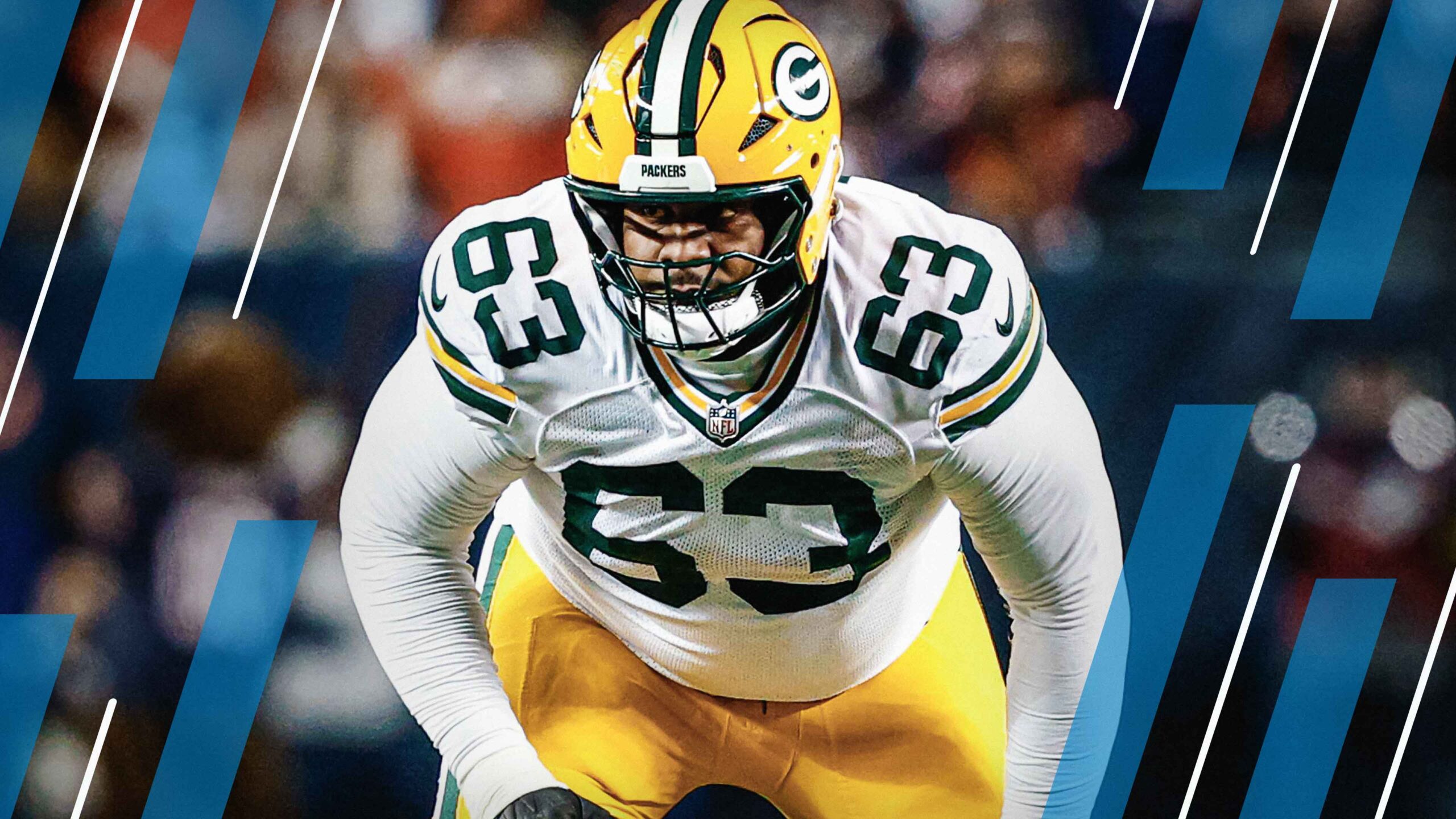
In the cases of players like Alec Pierce, Tyler Linderbaum, Trey Hendrickson and Jaelan Phillips, organizations did just that. Not only did front offices pay them each upward of $27 million per season, but their new teams also tethered themselves to those players for at least three years (based purely on contractual terms).
It’s true that both market-topping names and a slew of other standouts have been rewarded with multi-year commitments in free agency. But a predominant — and interest-piquing — trend has been the plethora of one-year contracts doled out.
With the first wave of free agency complete, at least 56 players have inked a pact for just the 2026 season, excluding the three players who were given the franchise tag. That number is inflated by a combination of aging veterans who may only play for one more season (e.g., Khalil Mack, Tony Jefferson), quarterbacks on veteran minimum deals (e.g., Kyler Murray, Tua Tagovailoa) and players who were released prior to the start of the new league year (e.g., Dalvin Tomlinson, Darnell Mooney). All of that feels relatively standard in the context of the last few years of free agency.
However, a more stunning development pervading the 2026 market has been the number of both young and touted free agents who have signed one-year contracts.
Of those aforementioned 56 players on one-year arrangements, 34 are currently 28 years old or younger. That’s a rather staggering figure, considering that age group tends to be prime territory for receiving more lucrative and/or longer contracts.
In some situations, these younger players have witnessed declines in production or usage, which explains why they received a one-year “prove it” contract. But in many others, it’s difficult to entirely understand why their markets were so dry.
Consider Rasheed Walker, the top tackle in PFF’s Free-Agent Rankings. While Walker’s 2025 season wasn’t as terrific as his prior work, he still sports a 76.8 career PFF pass-blocking grade. The projected market for a 26-year-old tackle who stays on the field and is strong in pass protection far surpasses the one-year, $4 million contract he signed with the Panthers.
Another prime example comes via running back Rachaad White. While not an every-down back for the Buccaneers, White still shined by earning an 87.2 PFF rushing grade in 2025 while contributing in pass protection. Even then, the 27-year-old signed with the Commanders for only one year and $2 million.
Along similar lines, it’s understandable why some older yet productive players garnered a contract for just 2026. Even then, the likes of Kevin Byard, Al-Quadin Muhammad and Chidobe Awuzie were worthy of longer contracts based on the effectiveness they showed throughout the bulk of last season.
In 2026, perhaps more than ever, the majority of players who didn’t sign on the first day of the legal tampering period proceeded to ink a one-year contract offer. Further, the veterans still available — like Stefon Diggs, Kevin Zeitler and Taylor Decker — will almost assuredly follow suit in the coming weeks and months, with their past pedigrees likely not equating to agreements beyond next season.
2026 NFL Free Agency: Examining the surplus of one-year contracts
Bradley Locker breaks down the trend of young, top free agents receiving one-year contracts in the 2026 free agency cycle.
www.pff.com
- Several young standouts weren't given lucrative contracts: Rasheed Walker, Rachaad White, Riq Woolen and others didn't land multi-year commitments in free agency.
- A drying market based on recent history: NFL teams are growing skeptical of handing out extensive deals over multiple seasons, especially with longer pacts not aging well.
In the cases of players like Alec Pierce, Tyler Linderbaum, Trey Hendrickson and Jaelan Phillips, organizations did just that. Not only did front offices pay them each upward of $27 million per season, but their new teams also tethered themselves to those players for at least three years (based purely on contractual terms).
It’s true that both market-topping names and a slew of other standouts have been rewarded with multi-year commitments in free agency. But a predominant — and interest-piquing — trend has been the plethora of one-year contracts doled out.
With the first wave of free agency complete, at least 56 players have inked a pact for just the 2026 season, excluding the three players who were given the franchise tag. That number is inflated by a combination of aging veterans who may only play for one more season (e.g., Khalil Mack, Tony Jefferson), quarterbacks on veteran minimum deals (e.g., Kyler Murray, Tua Tagovailoa) and players who were released prior to the start of the new league year (e.g., Dalvin Tomlinson, Darnell Mooney). All of that feels relatively standard in the context of the last few years of free agency.
However, a more stunning development pervading the 2026 market has been the number of both young and touted free agents who have signed one-year contracts.
Of those aforementioned 56 players on one-year arrangements, 34 are currently 28 years old or younger. That’s a rather staggering figure, considering that age group tends to be prime territory for receiving more lucrative and/or longer contracts.
In some situations, these younger players have witnessed declines in production or usage, which explains why they received a one-year “prove it” contract. But in many others, it’s difficult to entirely understand why their markets were so dry.
Consider Rasheed Walker, the top tackle in PFF’s Free-Agent Rankings. While Walker’s 2025 season wasn’t as terrific as his prior work, he still sports a 76.8 career PFF pass-blocking grade. The projected market for a 26-year-old tackle who stays on the field and is strong in pass protection far surpasses the one-year, $4 million contract he signed with the Panthers.
Another prime example comes via running back Rachaad White. While not an every-down back for the Buccaneers, White still shined by earning an 87.2 PFF rushing grade in 2025 while contributing in pass protection. Even then, the 27-year-old signed with the Commanders for only one year and $2 million.
Along similar lines, it’s understandable why some older yet productive players garnered a contract for just 2026. Even then, the likes of Kevin Byard, Al-Quadin Muhammad and Chidobe Awuzie were worthy of longer contracts based on the effectiveness they showed throughout the bulk of last season.
In 2026, perhaps more than ever, the majority of players who didn’t sign on the first day of the legal tampering period proceeded to ink a one-year contract offer. Further, the veterans still available — like Stefon Diggs, Kevin Zeitler and Taylor Decker — will almost assuredly follow suit in the coming weeks and months, with their past pedigrees likely not equating to agreements beyond next season.
Surely we have something up our sleeves besides Shrodinger’s Aiyuk with that much cap space. Right? Would be great if Jennings turns into a guy who doesn’t sign until after the draft.
Another Desean Jackson type situation falling into our laps won’t happen but would be a GODSEND

Discobob
The Free Agent Vet
Another Desean Jackson type situation falling into our laps won’t happen but would be a GODSEND
Can Tunsil mail his bong gasmask to a solid WR so we can leak some pictures?

ES1974
The 1st Round Pick
I actually think it’s yet to be determined if this offseason has been a step in the right direction. Few significant swings and misses, limited draft picks potentially causing an issue with that #7 pick.Doesn’t that say more about the quality of players we are still attracting, which is a symptom of the root cause?
Again, I want to be clear - I think this offseason has been a major step in the right direction.
But we’re still a way off from where we need to be.
AP needs to pull one, maybe 2, moves off pre draft in my opinion.

Anselmheifer
The Starter
I actually think it’s yet to be determined if this offseason has been a step in the right direction. Few significant swings and misses, limited draft picks potentially causing an issue with that #7 pick.
AP needs to pull one, maybe 2, moves off pre draft in my opinion.
It’s 100% a step in the right direction. Time will tell how successful the moves are. But, we swung big on top free agents, Hendrickson and Pierce, signed some really good players in Oweh, Chenal, and Okonkwo. We did nothing like that at all next year.
It’s 100% a step in the right direction. Time will tell how successful the moves are. But, we swung big on top free agents, Hendrickson and Pierce, signed some really good players in Oweh, Chenal, and Okonkwo. We did nothing like that at all next year.
It’s really frustrating to think where this roster could be if we HAD made 3-4 similar signings last year.
If we get Love, Tate, or Styles at 7 and they’re a stud, maybe it will have been worth it, in a causation sense, as a silver lining.
ES1974
The 1st Round Pick
Ok, I agree, however missed the word ‘major’ out of my reply to KDawgs post.It’s 100% a step in the right direction. Time will tell how successful the moves are. But, we swung big on top free agents, Hendrickson and Pierce, signed some really good players in Oweh, Chenal, and Okonkwo. We did nothing like that at all next year.
I don’t see a ‘major’ step in the right direction, yet.

Strike one with players is probably the facilities. Strike two is location. I wouldnt want to live in or around DC or Northern VA traffic dumps
The "organization" is fine , just needs some polish
The "organization" is fine , just needs some polish
Strike one with players is probably the facilities. Strike two is location. I wouldnt want to live in or around DC or Northern VA traffic dumps
The "organization" is fine , just needs some polish
Facilities have improved a TON, between weight room, locker room, recovery equipment, cafeteria, player recreational clubhouse, practice fields, etc. They probably won’t stay in Ashburn forever but they’ve dumped millions into that facility and in the latest NFLPA survey the players did actually rate it all well.
You’re not wrong about the location, but any area that has richy-rich residential options (with good schools) outside a major national city hub has its appeal. Only a few teams really have that combination. It doesn’t appeal to everyone but it has its appeal.
Users Who Are Viewing This Thread (Total: 11, Members: 0, Guests: 11)
Who Read This Thread (Total Members: 215) Show all
- Magua
- csp3000
- Coach Janky Spanky
- Anselmheifer
- NickyJ
- bh32
- man910
- Phantvm
- skinsfan4128
- peanut0862
- method man
- AZDave
- Riggo_44
- leonard_washington
- SkinsGuy99
- Hailer
- Rakpo98
- HOF44
- anzohay
- FanSince71
- RWJ
- danielthesun
- 0rder 0f 0ut
- Ben Wyatt
- Slim5
- Izzy
- turtle
- pwyl
- Riggo’sRangers
- bowhunter
- SkinsNumberOne
- mmoore679
- Morbo
- Captain James
- Conn
- Chris
- aledb11
- AngryChuckT
- ntotoro
- The Brotherhood
- The Rook
- KitKat
- BrotherDP
- Simeon
- Lupin IV
- NoCalSkins
- Tinker0608
- 36ST21
- Kalu44
- Hogwallop
- Dah-Dee
- gbear2
- Faithful Fan
- Blaze Thunderball
- burgold
- ES1974
- DCKey
- FUNNGUN
- LH9060
- mackjr1962
You haven't joined any rooms.